

CONTACT US TODAY!

How to Choose Between Commercial Renovation vs New Build


TL;DR: One of the biggest decisions in commercial construction is whether to renovate an existing space or build from the ground up. On paper, both options can work. In reality, they lead to very different outcomes depending on the property, the business, and the long-term plan.

Most projects don’t start with a clear answer. What begins as a renovation can shift into a rebuild once the structure is evaluated. Knowing where that line is early on makes the whole process easier to control.

What Renovation Looks Like in Commercial Construction

Renovating a commercial space typically involves working within an existing structure and adapting it to a new use. This can include interior buildouts, system upgrades, and layout changes depending on how the space needs to function.

For many businesses, renovation is the more practical starting point. It allows you to use an existing location while updating the space to match your needs. This is often handled through a commercial team in Naples, where planning and execution are aligned from the beginning.

When Renovation Makes Sense

Renovation works best when the building already supports the intended use or requires only moderate changes. This is common in office buildouts, retail spaces, and certain medical conversions. If the structure is sound and the layout can be adjusted without major structural changes, renovation can be an efficient path forward.

Where Renovation Starts to Break Down

What looks like a simple renovation on paper doesn’t always hold up once the building is opened up. Outdated systems, structural limitations, or code requirements can quickly expand the scope. In some cases, bringing an older building up to current standards requires more work than expected. This is when working with a seasoned builder from the start can help you make the right moves for your commercial project.

What New Commercial Construction Involves

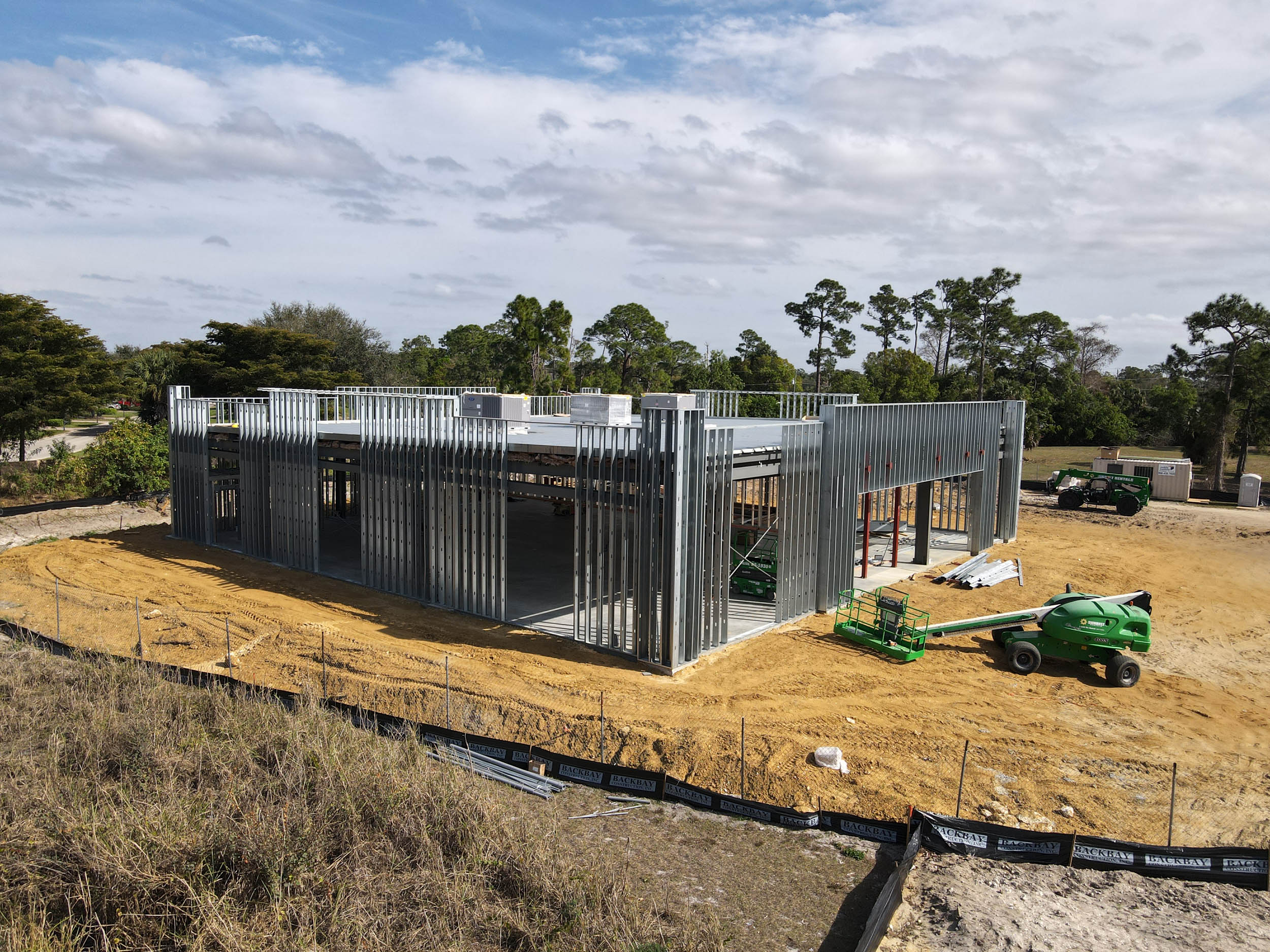
New construction gives you full control over how the building is designed, laid out, and built from the ground up. Instead of working around an existing structure, every part of the project is planned with the business in mind. This includes layout, systems, accessibility, and long-term performance. This approach is often managed through a design-build construction process, where design, permitting, and construction are handled as one coordinated effort.

When New Construction Is the Better Option

New construction makes sense when flexibility is a priority. If the business requires a specific layout, advanced systems, or long-term scalability, starting from scratch is often the better path.

It also becomes the better option when an existing structure cannot meet current code requirements without significant upgrades.

Long-Term Benefits of Building New

A new build allows you to design the space around how the business operates from day one. This reduces inefficiencies and avoids the compromises that often come with renovation.

It also provides more control over materials, systems, and durability, which can reduce maintenance issues over time.

Timeline and Permitting Considerations

Both renovation and new construction involve permitting, but the process can look different depending on the scope of work. Renovations may require change-of-use approvals, system upgrades, and compliance updates. New construction requires full permitting from the ground up, including site work, structural approvals, and inspections.

Cost Differences Between Renovation and New Build

Cost is often the deciding factor, but it’s not always as straightforward as it seems.

Renovation may appear less expensive at first, but unknown conditions can change that quickly. This is where a lot of owners get caught off guard. Once demolition begins, hidden issues like outdated wiring, plumbing, or structural concerns can add to the scope.

New construction typically has a higher upfront cost, but it offers more predictability. The project is built around a defined plan rather than adapting to an existing structure. These cost considerations are often evaluated early in residential and commercial construction planning. This is usually where working with a builder early helps clarify the right path.

Making the Decision

If the existing structure supports the layout, systems, and code requirements, renovation can move forward. If not, continuing to adjust the structure often leads to diminishing returns.

Looking at the property, the business needs, and the long-term plan together allows you to make the decision based on what’s actually feasible, not just what seems easier at the start.

Key Factors to Consider Before Choosing

These are the main factors that influence whether renovation or new construction is the better option:

  • Condition of the existing structure
  • Ability to meet current building codes
  • Layout flexibility and business needs
  • Cost and budget alignment
  • Timeline and permitting requirements
  • Long-term maintenance and performance
  • Location and site constraints

Choosing the Right Path for Your Commercial Project

There isn’t a one-size-fits-all answer when it comes to renovation versus new construction.

Renovation can be efficient when the structure supports the project, but it often comes with limitations and unknowns. New construction requires more upfront investment, but it offers control, predictability, and long-term flexibility.

The goal isn’t just to complete the build. It’s to end up with a space that actually works the way it should from day one. When those factors are evaluated early, the path forward becomes much clearer. 

If you’re weighing both options, we can walk through the property and help you understand what actually makes sense before you commit. Contact our team today to see the options you have with Select Development Group. We specialize in helping you with office spaces and medical office spaces among other project needs, providing the right range of options and assessments to help you make the right choice.

Faq's


Is renovation always cheaper than new construction?

Not always. While renovation may have a lower starting cost, hidden issues and required upgrades can increase the overall investment.

How do I know if my building can be renovated?

A builder can evaluate the structure, systems, and code requirements to determine whether renovation is feasible.

Does new construction take longer than renovation?

In many cases, yes, but it can also be more predictable since fewer unknowns are involved.

What is a change-of-use permit?

It’s required when a building is being converted from one type of use to another, such as retail to medical.

Should I decide before talking to a builder?

No. It’s best to evaluate both options with a builder early so you understand what is actually feasible.