CONTACT US TODAY!

Is Design-Build the Right Approach for Your Custom Home?


Design-build combines design and construction under one team, offering faster timelines, clearer budgets, and fewer missteps. It’s ideal for luxury homeowners who want a seamless, efficient process. Traditional models may offer more design flexibility but often lack the coordination complex homes require.

When planning a custom home, one of the most important decisions you’ll make happens before any ground is broken or sketches are drawn: choosing how your home will be designed and built. If you’ve started researching your options, you’ve likely encountered the term design-build.

This guide is written for discerning homeowners and future builders who want clarity before committing to a construction approach. We’ll explore how design-build for custom homes works, how it compares to traditional methods, and what kind of client it truly serves best, to help you make the right call.

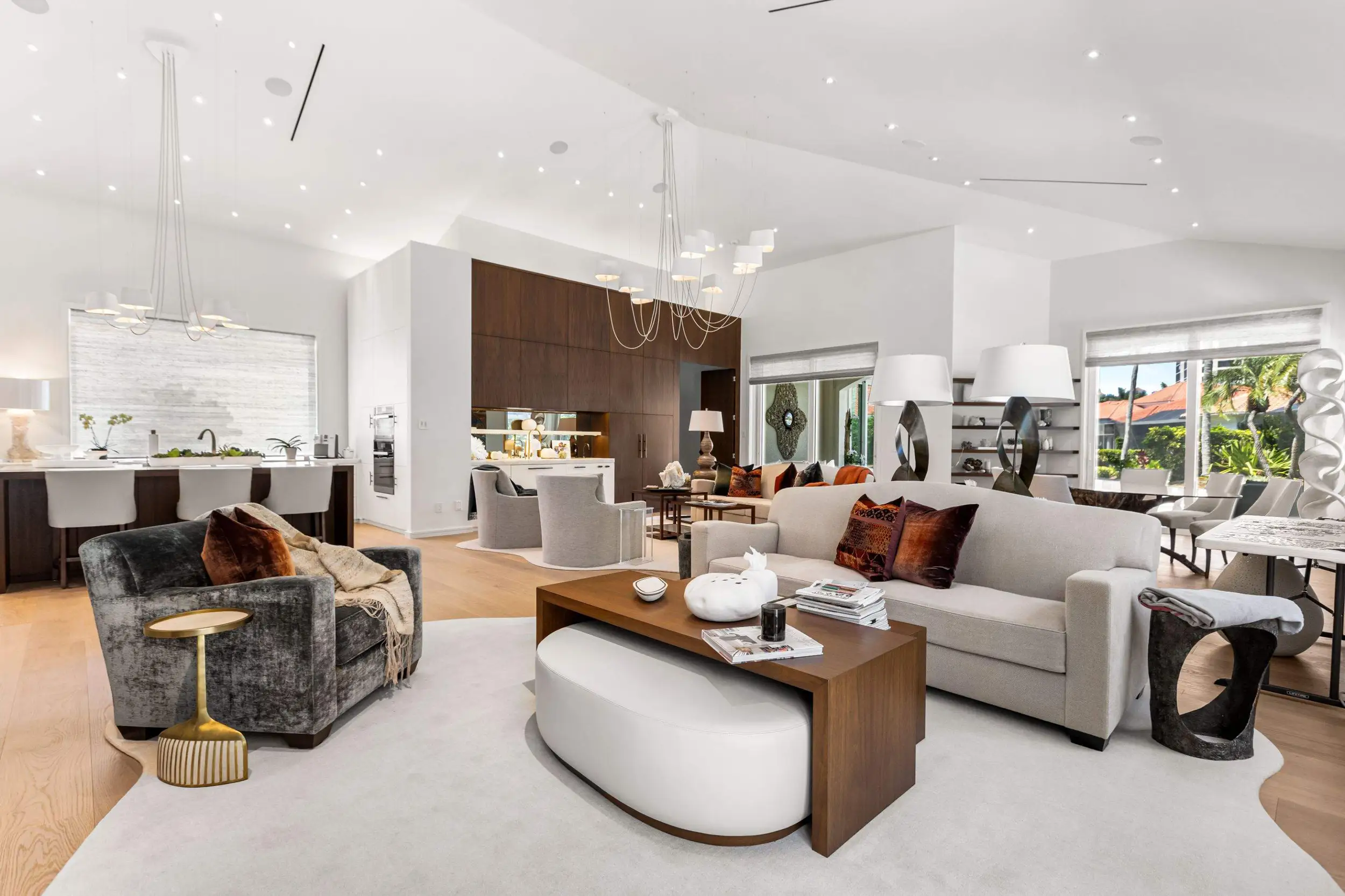
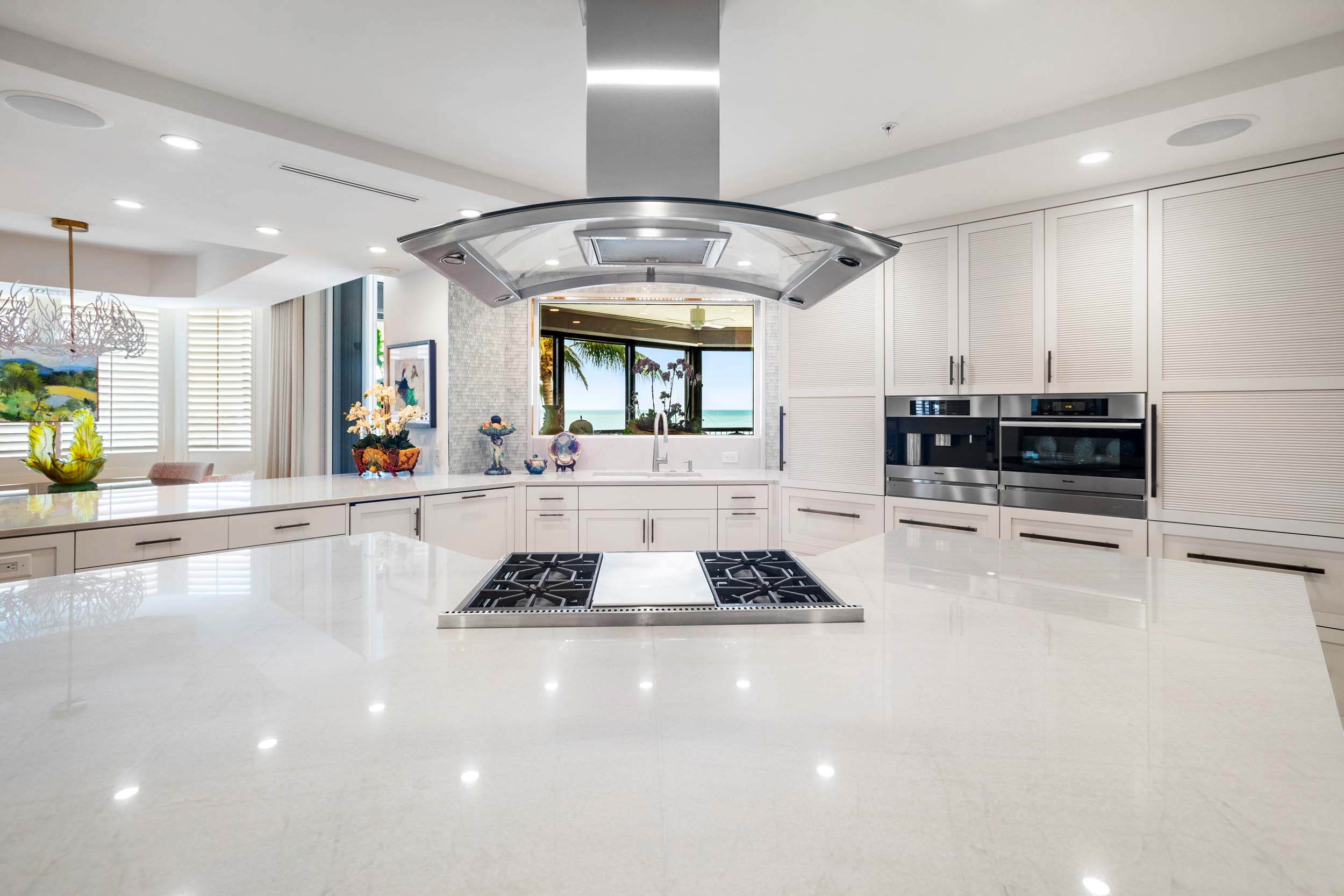
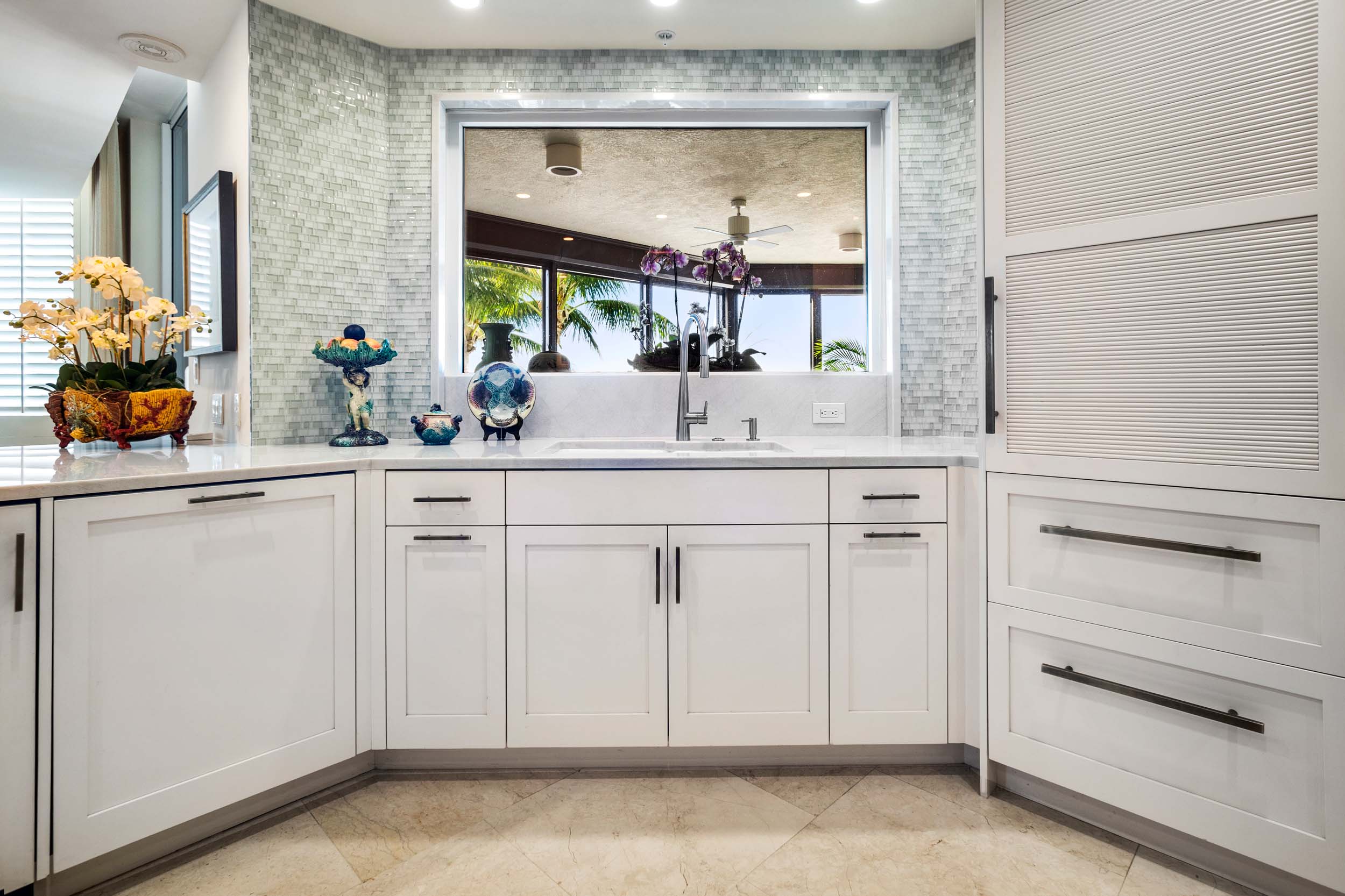
Naples residential condo high end custom kitchen renovation backsplash Bay Colony

What Is Design-Build for Custom Homes?

Design-build is a project delivery method where both the design and construction services are handled by a single entity. Rather than hiring an architect, waiting for plans, then soliciting bids from builders, homeowners work with one unified team from the beginning.

This approach streamlines the entire experience. Architects, designers, and builders collaborate, which reduces miscommunication, shortens timelines, and provides continuity from start to finish. For high-end residential projects, this precision and execution help take a custom home to the next level.

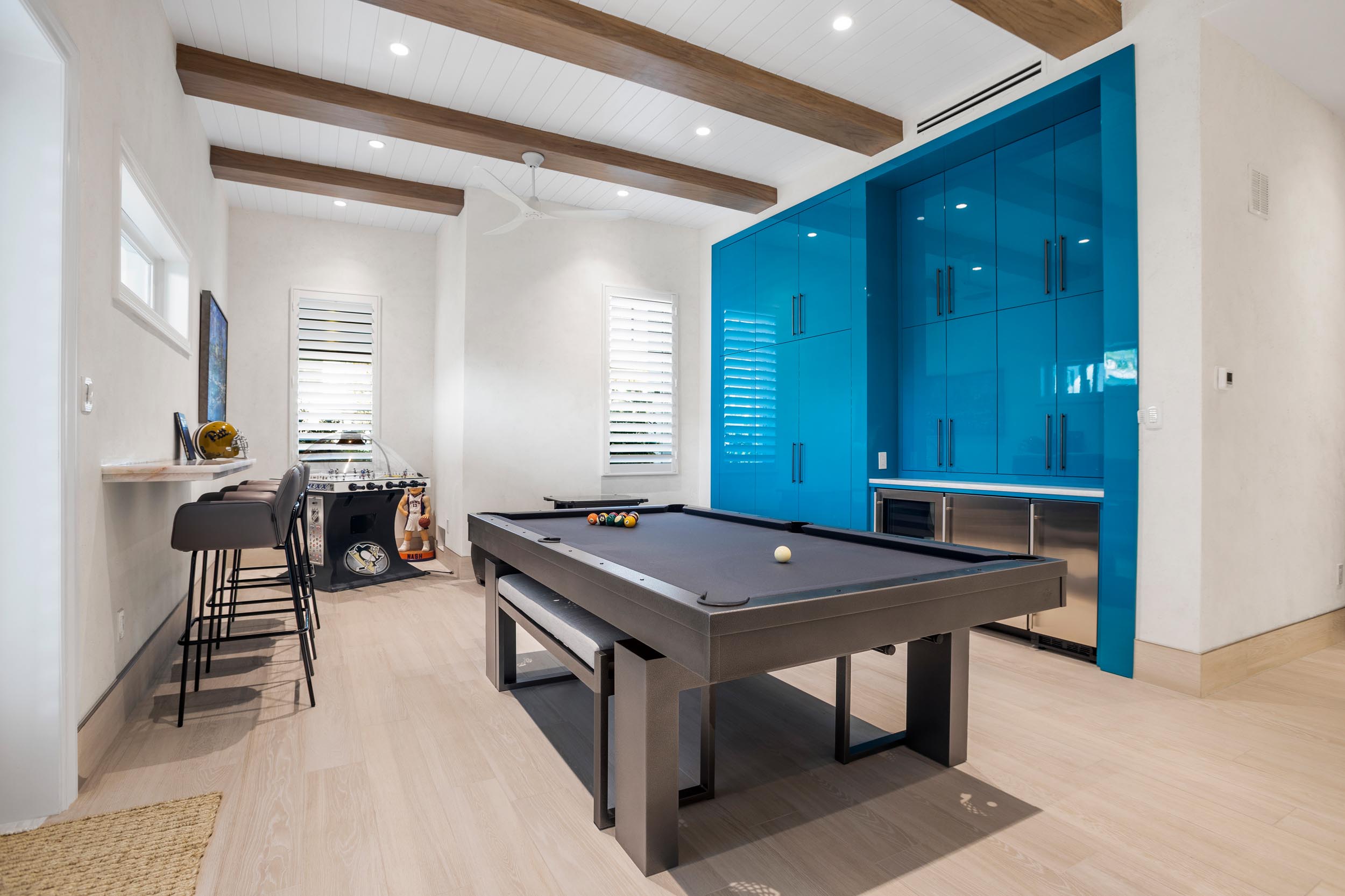
Naples residential custom remodeling ceiling beams renovation Gulf Shore

The Design-Build Process for Custom Homes

Behind the scenes of a design-build project, are the following steps:

  • Initial consultation and site evaluation
  • Conceptual design and feasibility planning
  • Cost modeling and value engineering
  • Construction documentation and permitting
  • Interior selections and finishes
  • Project management and execution
  • Final walkthrough and post-completion support

At its best, the design-build model trades fragmentation for flow. It brings vision and construction together early in the process, for informed decisions, coordinated timelines, and true craftsmanship.

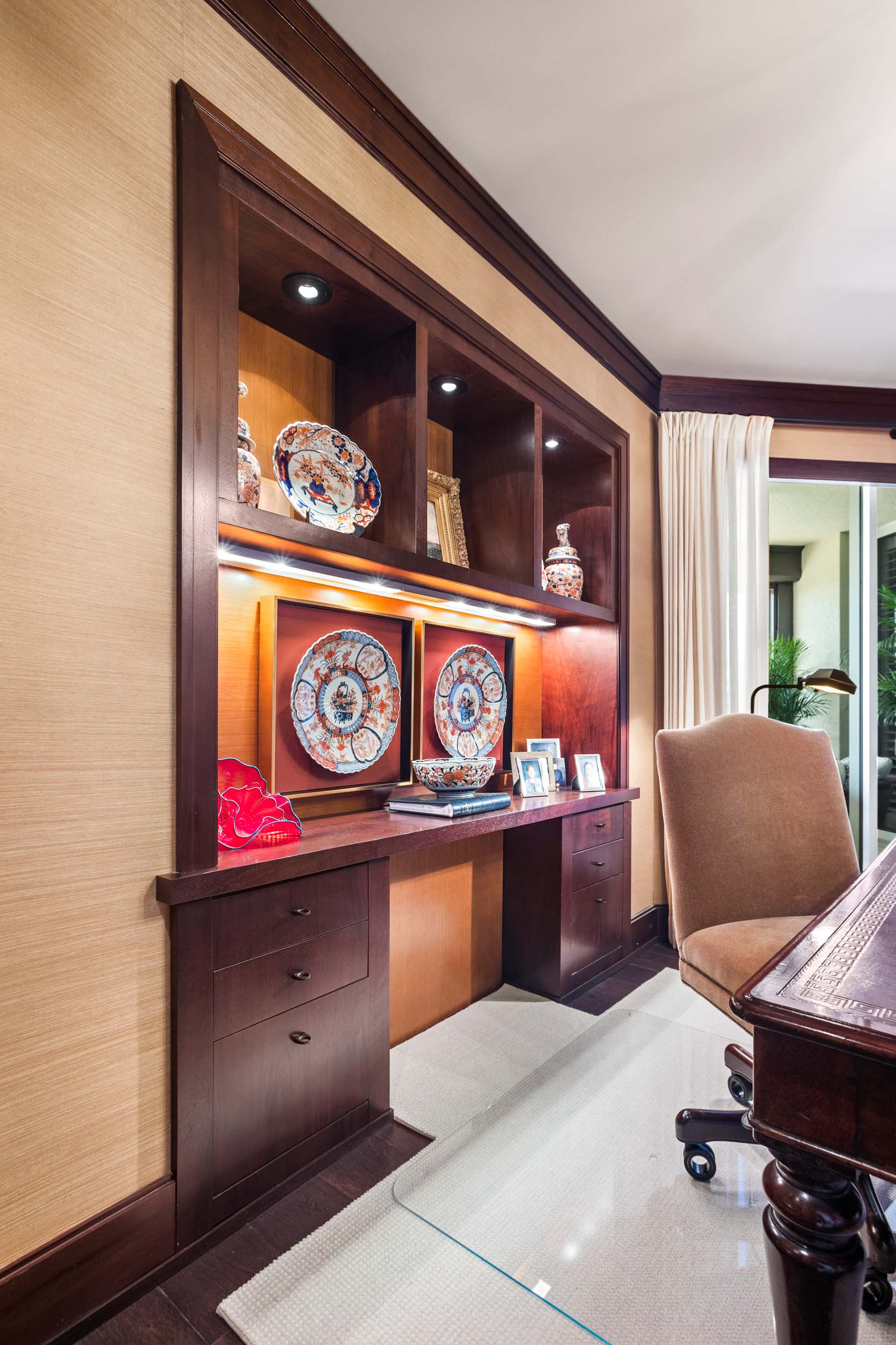
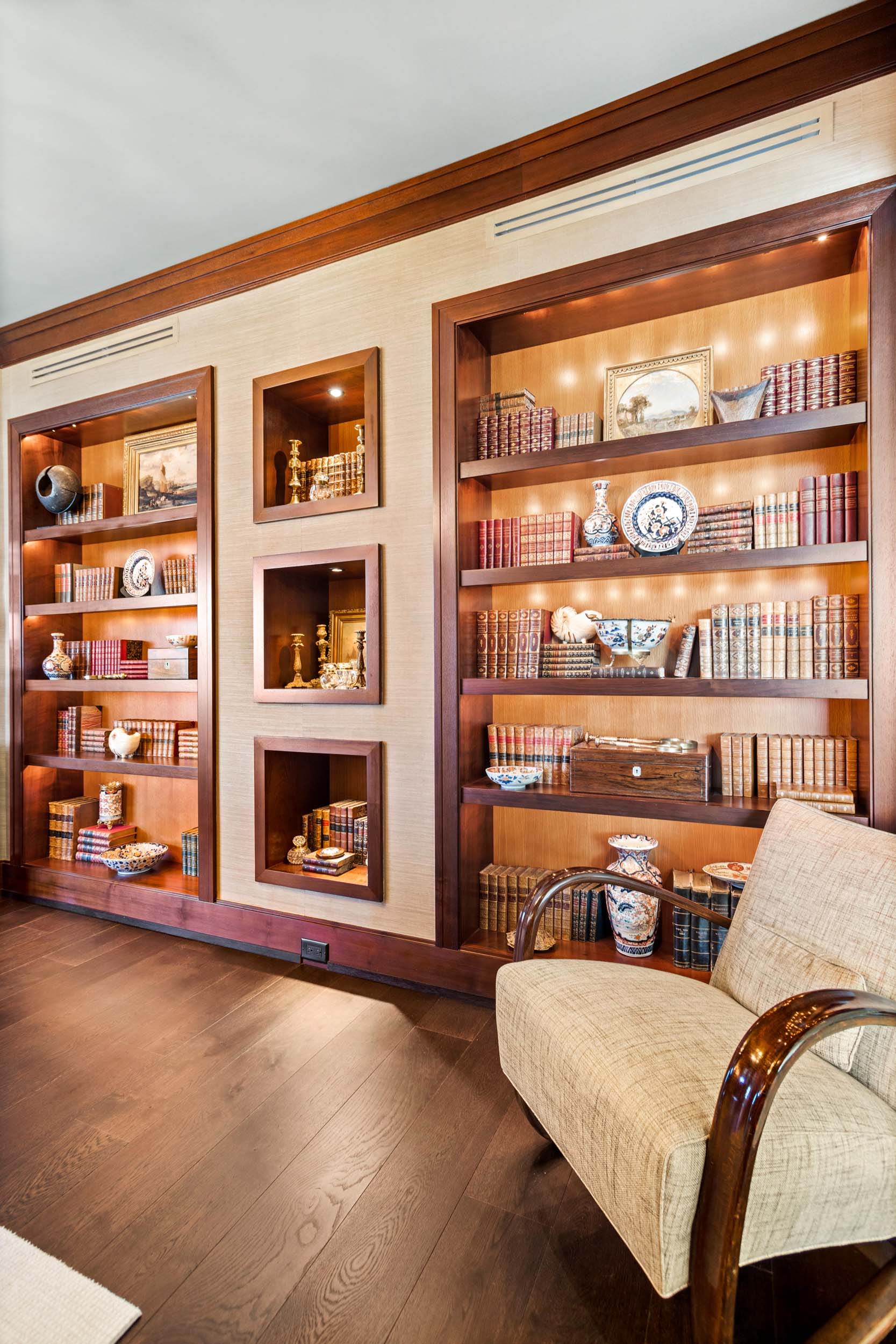
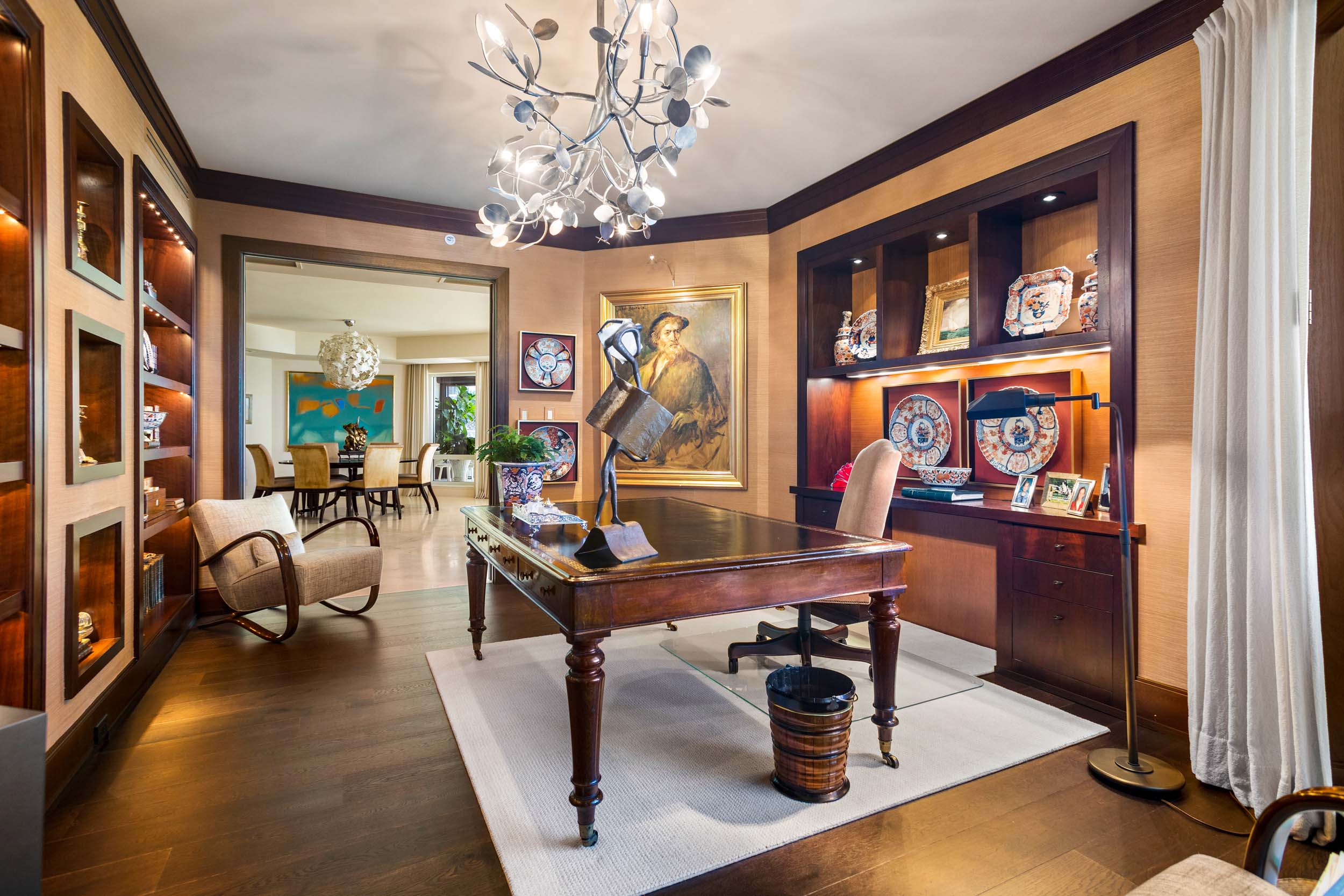
Naples residential condo office renovation Bay Colony

Design-Build vs. Traditional Construction: What’s the Real Difference?

Traditional construction follows a sequential process: first, you hire an architect. You work through a design, often in isolation from build realities. Once that’s complete, you bid out the plans to general contractors. Then, if the pricing is over budget, which it often is, you either revise the plans, absorb the cost, or abandon certain features.

Design-build eliminates that friction by integrating pricing, design, and build considerations from day one. That not only saves time, it also protects your vision and budget.

Key Differences Between Design-Build and Traditional Construction:

Team Structure

  • Traditional: Architect and builder work independently. The homeowner is the middleman.
  • Design-Build: A unified team works collaboratively, from start to finish.

Timeline Efficiency

  • Traditional: Phases are linear. One stage must finish before the next begins.
  • Design-Build: Phases overlap, accelerating the process without cutting corners.

Budget Clarity

  • Traditional: Cost conversations often happen after design is finalized.
  • Design-Build: Real-time cost feedback informs decisions throughout.

Design Alignment

  • Traditional: Builders interpret plans they didn’t help shape. Misunderstandings are common.
  • Design-Build: Everyone works from a shared understanding of intent and detail.
Naples residential condo high end office renovation Bay Colony

Benefits of Design-Build for Luxury Homes

For high-end residential projects, design-build offers more control and cohesion. This directly affects the outcome of your home and your experience as a client.

Unified Vision

Design and construction are aligned from day one. There’s no translating someone else’s plans or reworking ideas that don’t fit the budget. What’s imagined is what’s built because the same team is guiding both.

Cost Confidence

Budgeting starts early and stays visible throughout. You don’t find out what your home will cost after it’s been designed; you shape the design around what makes sense financially. That prevents delays and difficult compromises later.

Faster, Smarter Timelines

With overlapping phases, decisions can be made and acted on more efficiently. Permitting doesn’t have to wait on every design detail. Construction planning begins while design is still evolving. It’s a more responsive process, especially valuable in dynamic markets.

Singular Accountability

There’s one team responsible for delivering the result. That eliminates the gray areas that often create friction in traditional models. Fewer handoffs mean fewer disconnects and better outcomes.

Elevated Craftsmanship

When builders are part of the design phase, they help refine details that improve constructibility, durability, and performance.

Naples residential condo high end custom office renovation Bay Colony

When Design-Build Might Not Be the Right Fit

Design-build can be a powerful model, but it’s not ideal for every project or personality. Understanding its limitations is just as important as recognizing its strengths.

You Have a Longstanding Relationship with an Architect

If you already have a deep relationship with a design professional and their creative approach is non-negotiable, you may prefer to pursue a traditional or architect-led path. Some architects specialize in one-off, boundary-pushing concepts that might not align with a builder’s in-house style or process.

You Want to Run a Competitive Bid Process

If your goal is to collect multiple construction bids after design is complete, design-build might feel too closed-loop. Transparency and cost control are benefits of design-build, but the process is based on integration, not competition. If you’re motivated by market testing rather than efficiency, traditional delivery may be a better fit.

You Prioritize Full Design Freedom First, Budget Second

Design-build often means designing with the budget in mind, not after. For some, this is a strength. But if you want to fully explore ideas and push boundaries before cost enters the conversation, you might find design-build too grounded in financial reality.

None of these disqualify design-build, but they help clarify what kind of client experience you’re really looking for.


Naples residential condo high end custom renovation wood floor Bay Colony

Design-Build vs. Architect-Led Build

The architect-led model is a hybrid. The homeowner hires the architect first, and the architect then selects and manages the builder on the client’s behalf. This offers a more curated construction process with the architect acting as project steward.

This model works well for clients who prioritize design and want a trusted advisor overseeing construction. But it can introduce the same risks as the traditional model: cost overruns, limited contractor involvement early on, and potential disconnects between concept and construction.

Design-build differs in that it puts design and construction on the same side of the table. Everyone is working toward the same goals with the same information – budget, site constraints, materials, and lifestyle needs – all integrated from the beginning.

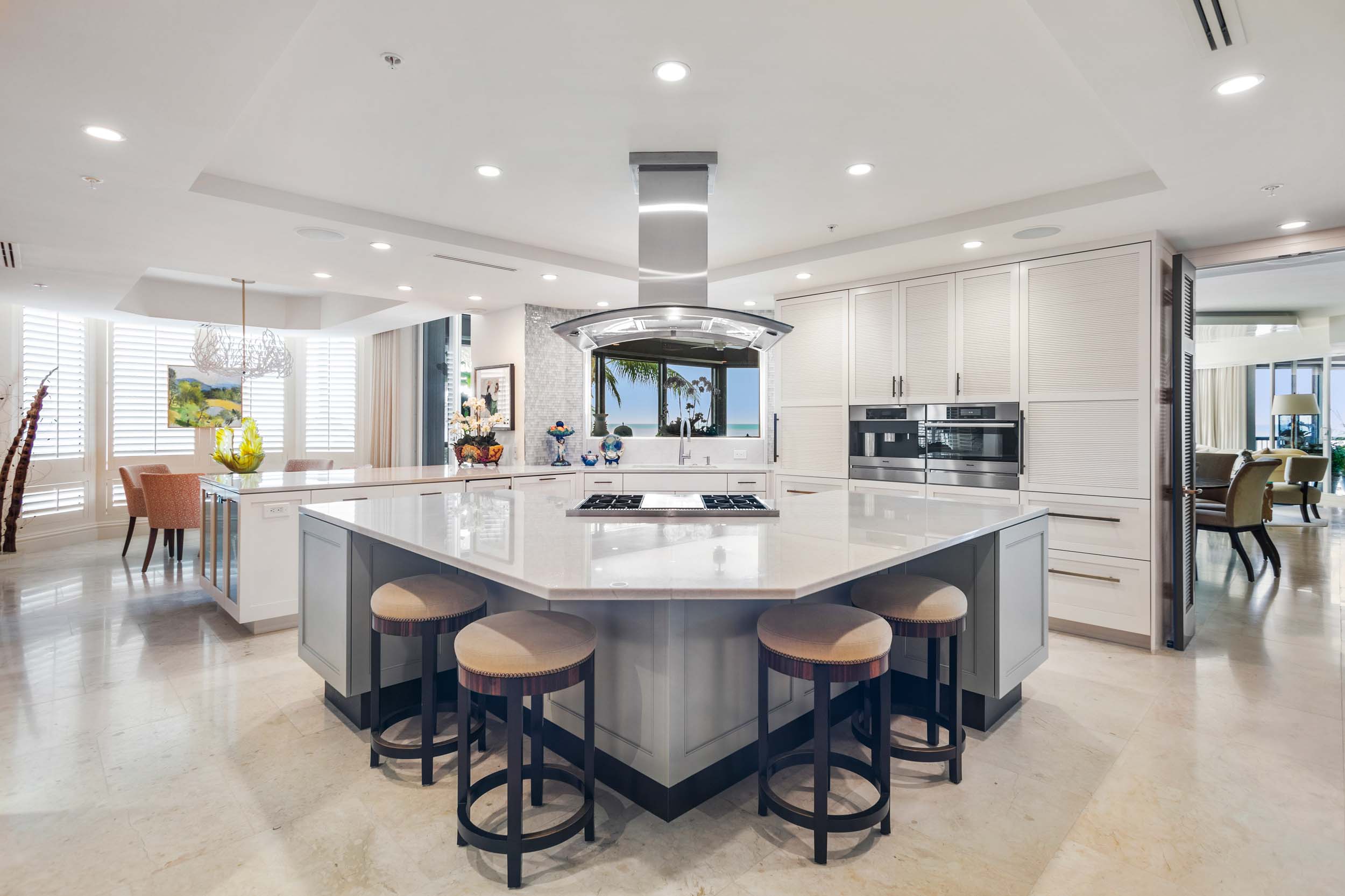
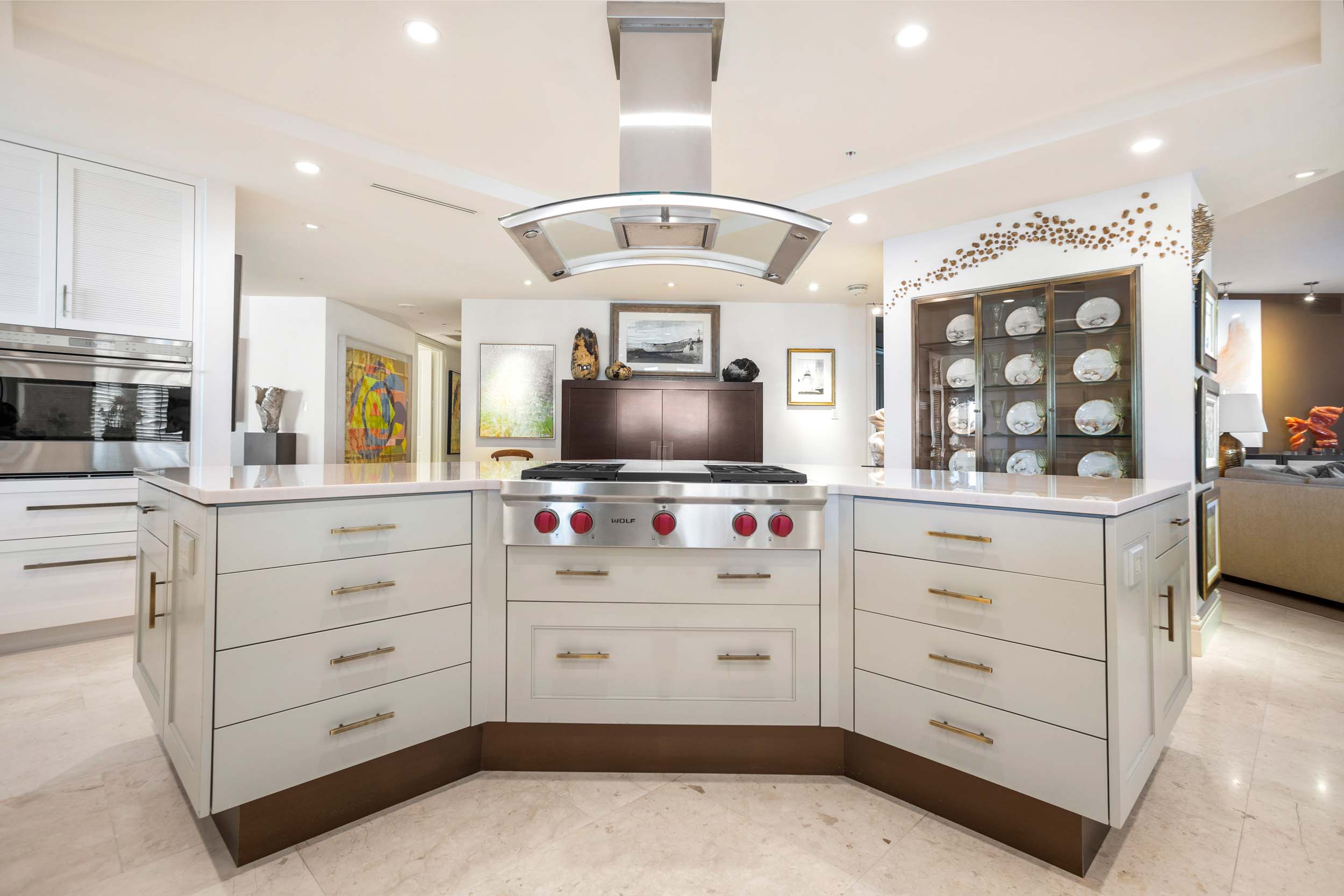
Naples residential condo high end custom kitchen renovation appliances Bay Colony

How to Choose the Right Design-Build Custom Home Builder

If you’re leaning toward design-build, take your time choosing the right team. Not all firms operate the same way or serve the same type of client.

What to vet for:

  • Experience building luxury custom homes in your area
  • A clearly defined, transparent process
  • In-house architectural and construction professionals
  • A portfolio that aligns with your aesthetic preferences
  • Strong communication skills and client references

Ask how they manage costs, what collaboration looks like during design, and how construction decisions are made. The best firms are excellent communicators who help you stay informed and in control without being overwhelmed.

Naples residential condo high end custom kitchen renovation countertops Bay Colony

Is Design-Build Right for Your Custom Home?

Here’s a quick way to evaluate the fit.

Design-build may be right for you if:

  • You want a seamless, end-to-end experience
  • You value collaboration and efficiency
  • You want clear, proactive budget alignment
  • You’d rather work with one team than coordinate multiple players

A traditional or architect-led approach may fit better if:

  • You already have a strong relationship with an architect
  • You want to compare multiple construction bids
  • You’re comfortable taking a more hands-on role in coordinating the team

Neither path is wrong. It just depends on what kind of process and experience you value most.

Naples residential condo high end custom kitchen renovation cabinetry Bay Colony

Final Thoughts

Choosing how your custom home is designed and built is one of the most important decisions you’ll make. The design-build model simplifies the process by bringing design, construction, and budgeting into one coordinated team. It saves time, reduces friction, and gives you more control over the outcome.

If you’re planning a custom home and want to explore whether design-build is the right approach, we’d be happy to talk. Give us a call at 239-238-3628 or contact us online today to discuss your custom home project.

Faq's


Will I lose creative control with a design-build firm?

No. A strong design-build team works collaboratively to align your vision with the buildable reality of the site, budget, and timeline. You retain full control over design decisions.

Can I still use an architect I’ve already hired?

Yes, but it depends on how the team is structured. Some design-build firms can integrate external architects as part of the process. Others prefer in-house design to maintain full coordination. If you already have an architect, choose a builder experienced in collaborative delivery and confirm early how responsibilities will be divided.

Is design-build faster than the traditional model?

In most cases, yes. The design and construction teams work in parallel, which reduces handoff delays and redesign loops. Preconstruction starts earlier. Pricing and permitting run concurrently with design development. This can shorten the overall timeline by several months.

How does cost control work in a design-build process?

You receive cost feedback during design, not after. That allows for real-time decisions when scope and budget drift apart. Design-build firms model pricing with actual construction data, not rough estimates. This reduces the risk of major change orders or budget resets once the project is under way.


What happens if I want to change something mid-project?

Revisions are still possible, but fewer are needed. Because the same team handles both design and execution, field changes are resolved faster and with better context. You get coordinated input on how changes affect schedule, cost, and trade impact. There’s no delay from back-and-forth between architect and builder.