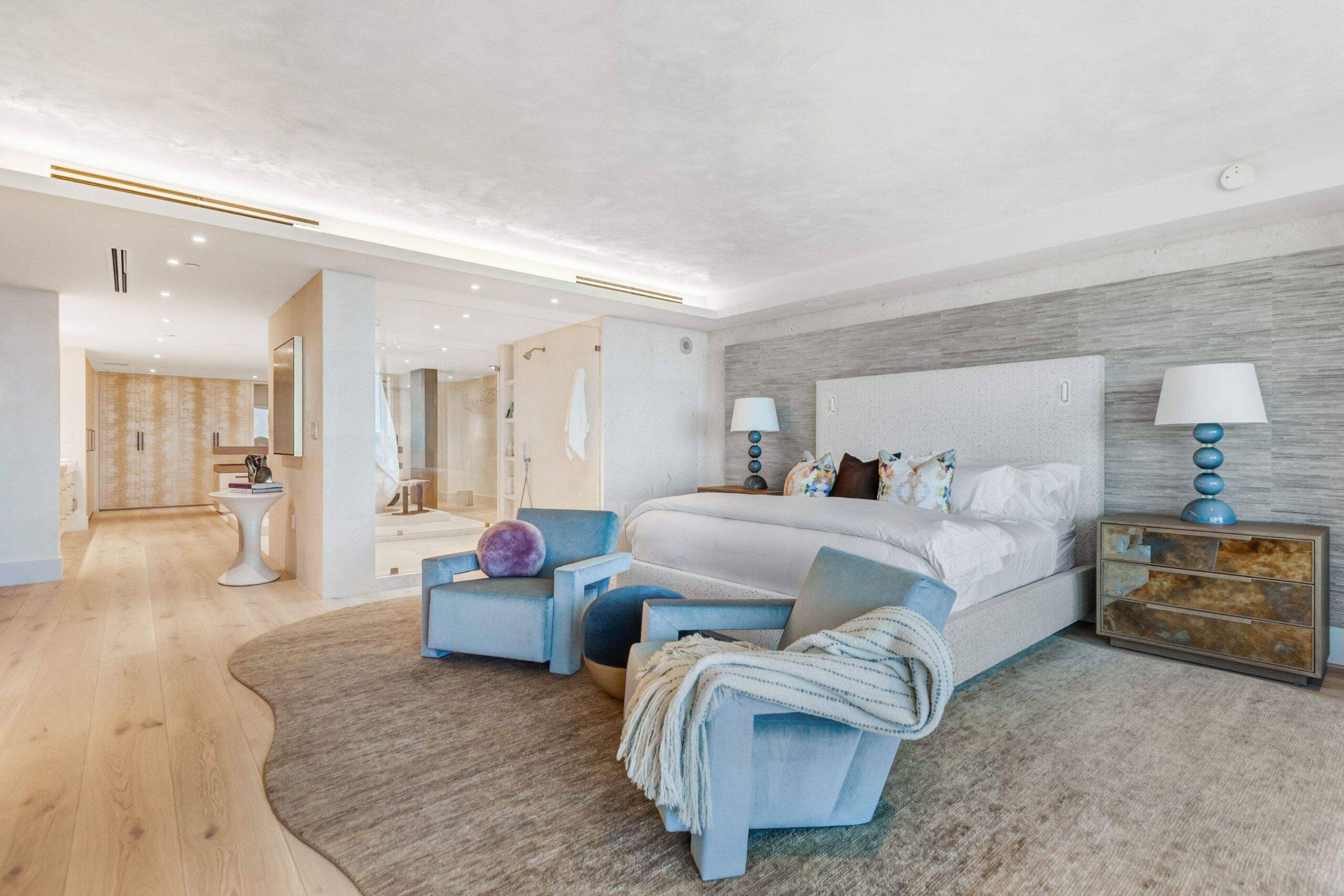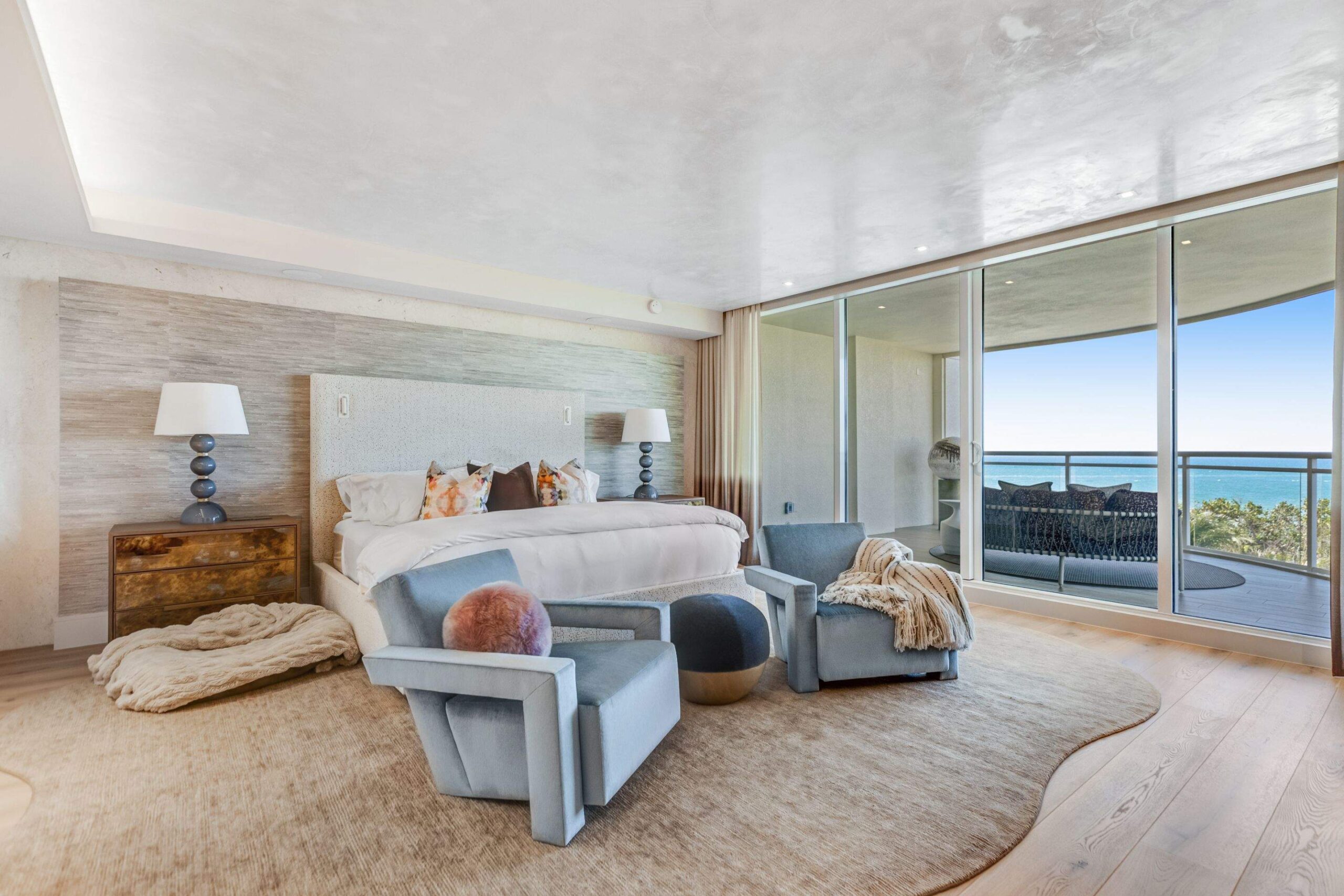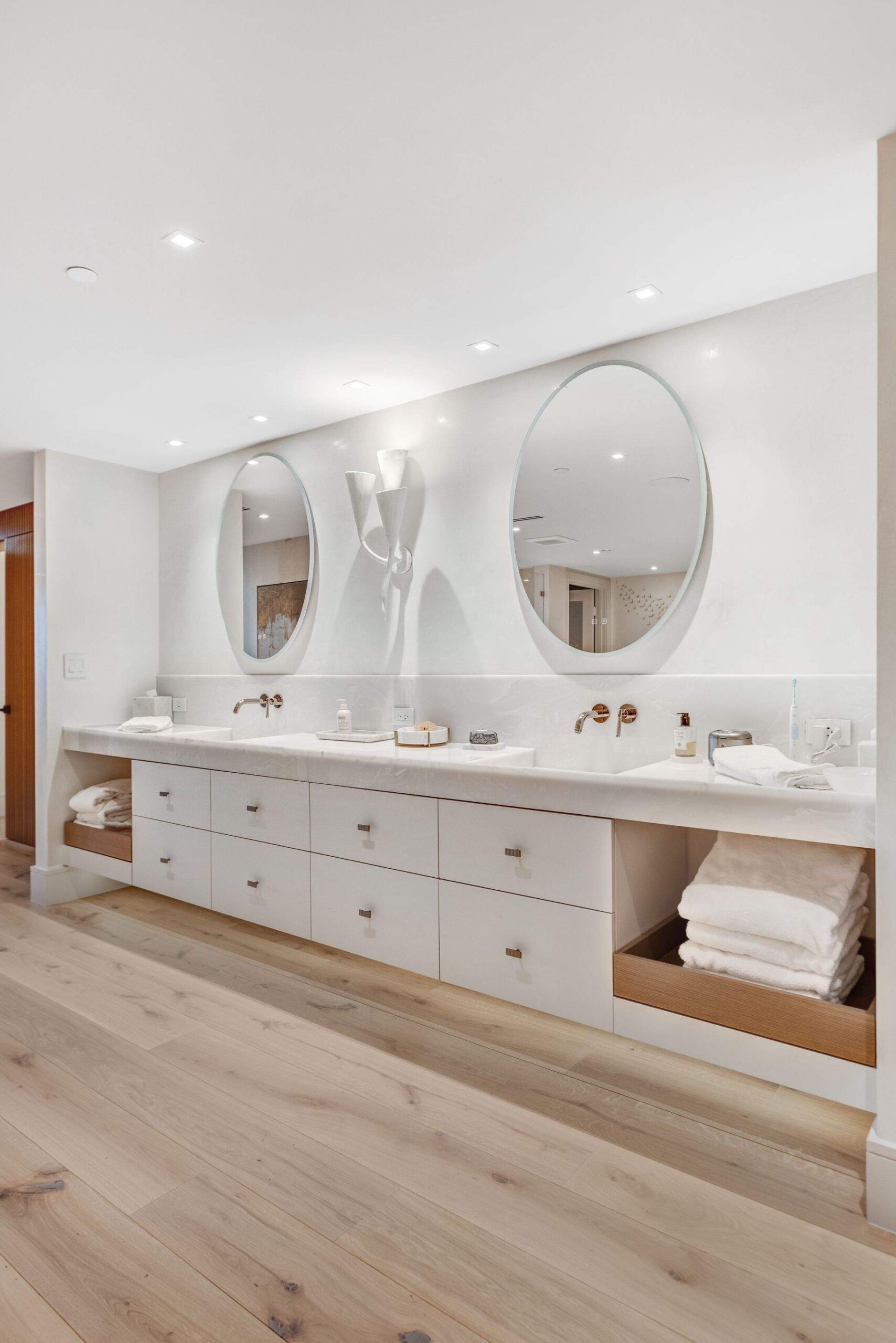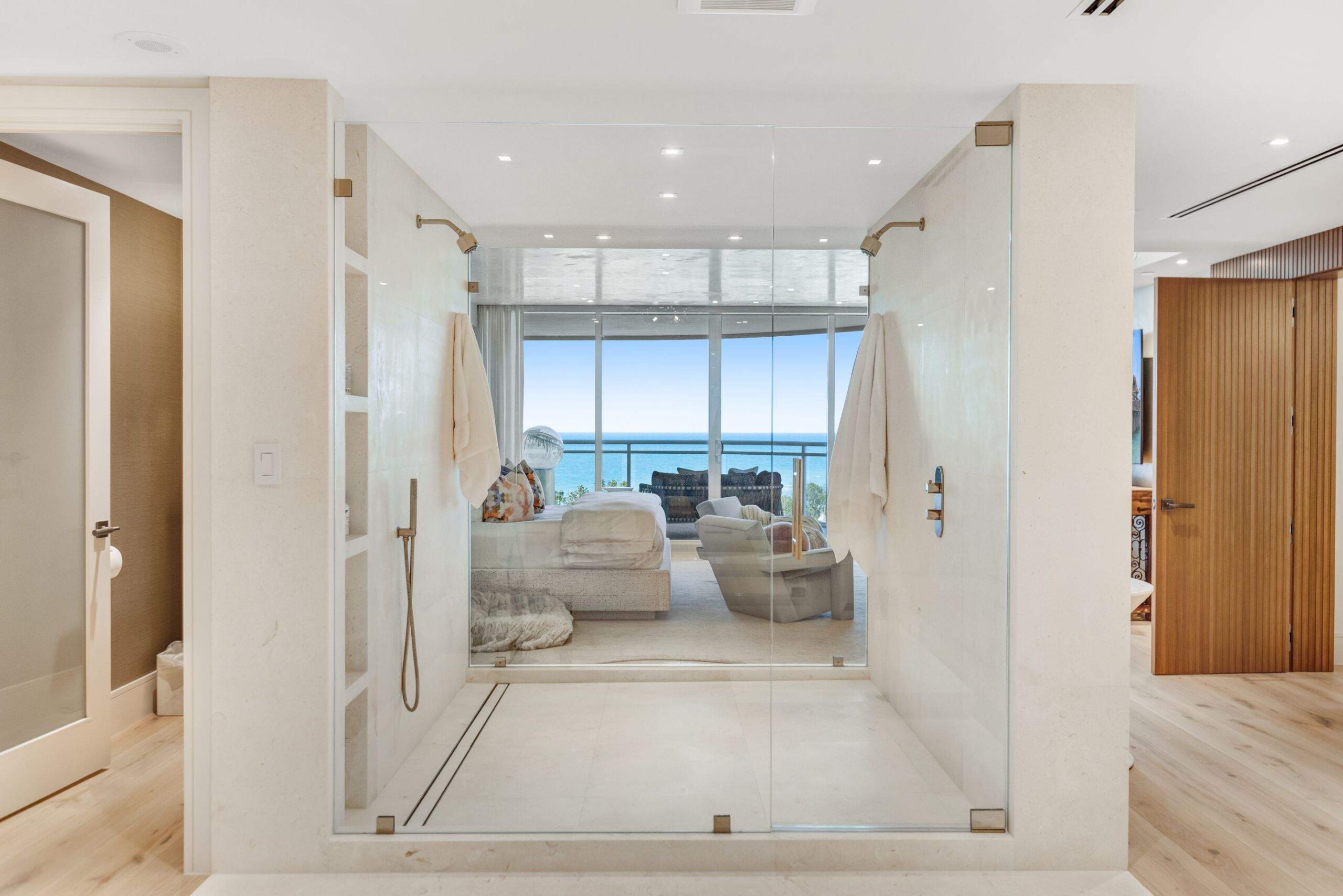

CONTACT US TODAY!

Renovating Older Luxury Homes to Match Modern Living Standards


Renovating older luxury homes demands a full evaluation of layout, infrastructure, and performance. Many of these homes were built with systems and spaces that no longer meet current codes and expectations. Renovations often include upgrading HVAC, electrical, and spatial flow without losing architectural integrity. The goal is to maintain the unique history of your home while improving its livability.

Nearly half of all U.S. homes were built before 1980. Many of them offer generous square footage, solid craftsmanship, and timeless architectural detail – the perfect building blocks for a luxury home. But the way people live has changed.

Rooms that once felt refined are now considered compartmentalized, lacking flow. Modernizing these homes requires both cosmetic changes and strategic updates that improve comfort, function, and efficiency while preserving the character that defines the home.

What Defines a “Modern” Standard of Living?

Here, we’re not talking about the aesthetic of modern architecture or interior design. Instead, we’re defining modern as a standard of functionality and alignment with a homeowner’s preferences. 

Although every client is different, typically luxury homeowners value spatial clarity, intuitive flow, and responsive comfort. Older homes were designed for a different era that prioritized formality, separation, and symmetry.

When we embark on a luxury home renovation, we’ll often see these priorities on a client’s list:

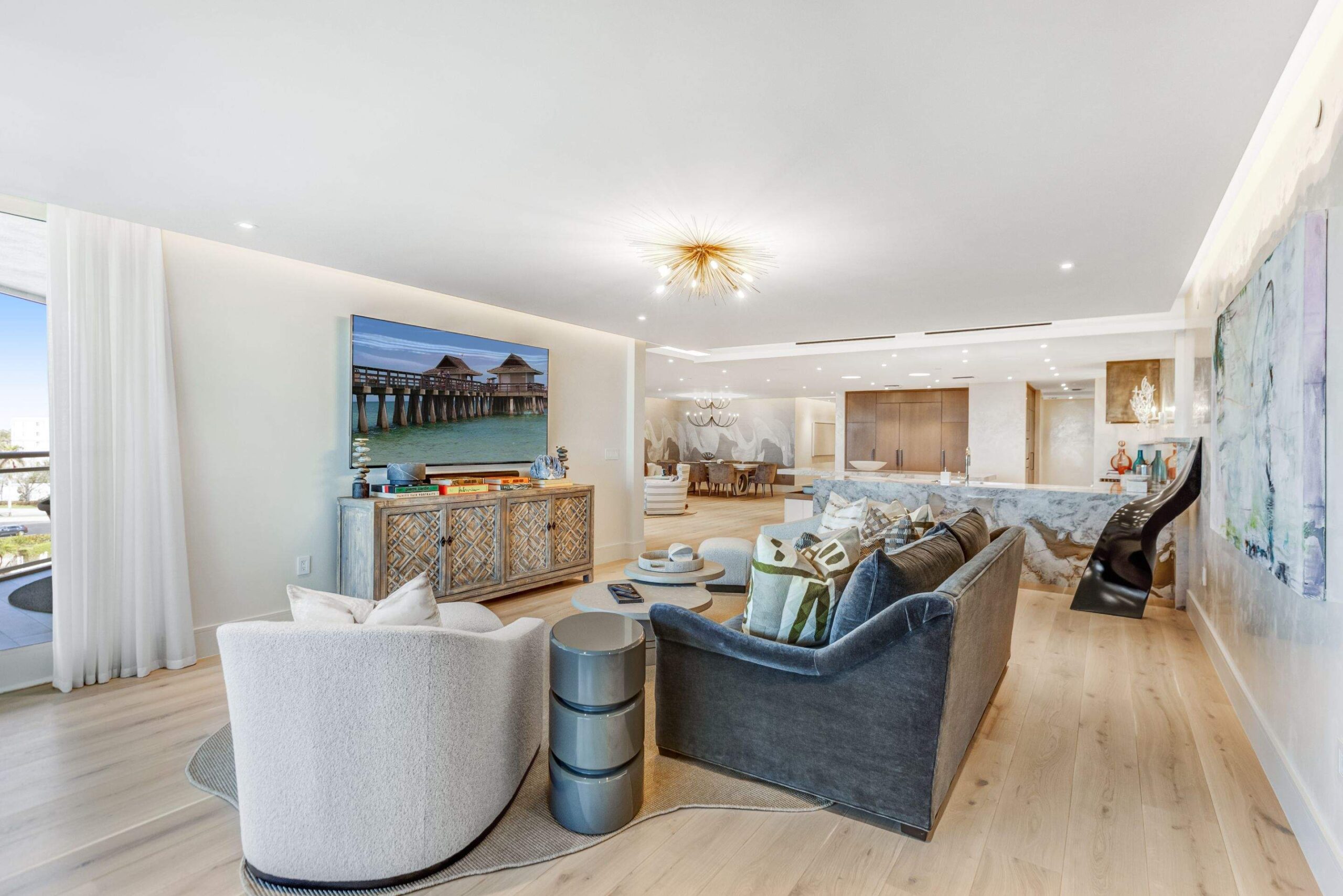
  • Smooth flow between kitchen, living, and outdoor areas
  • Zoned HVAC with quiet, consistent comfort
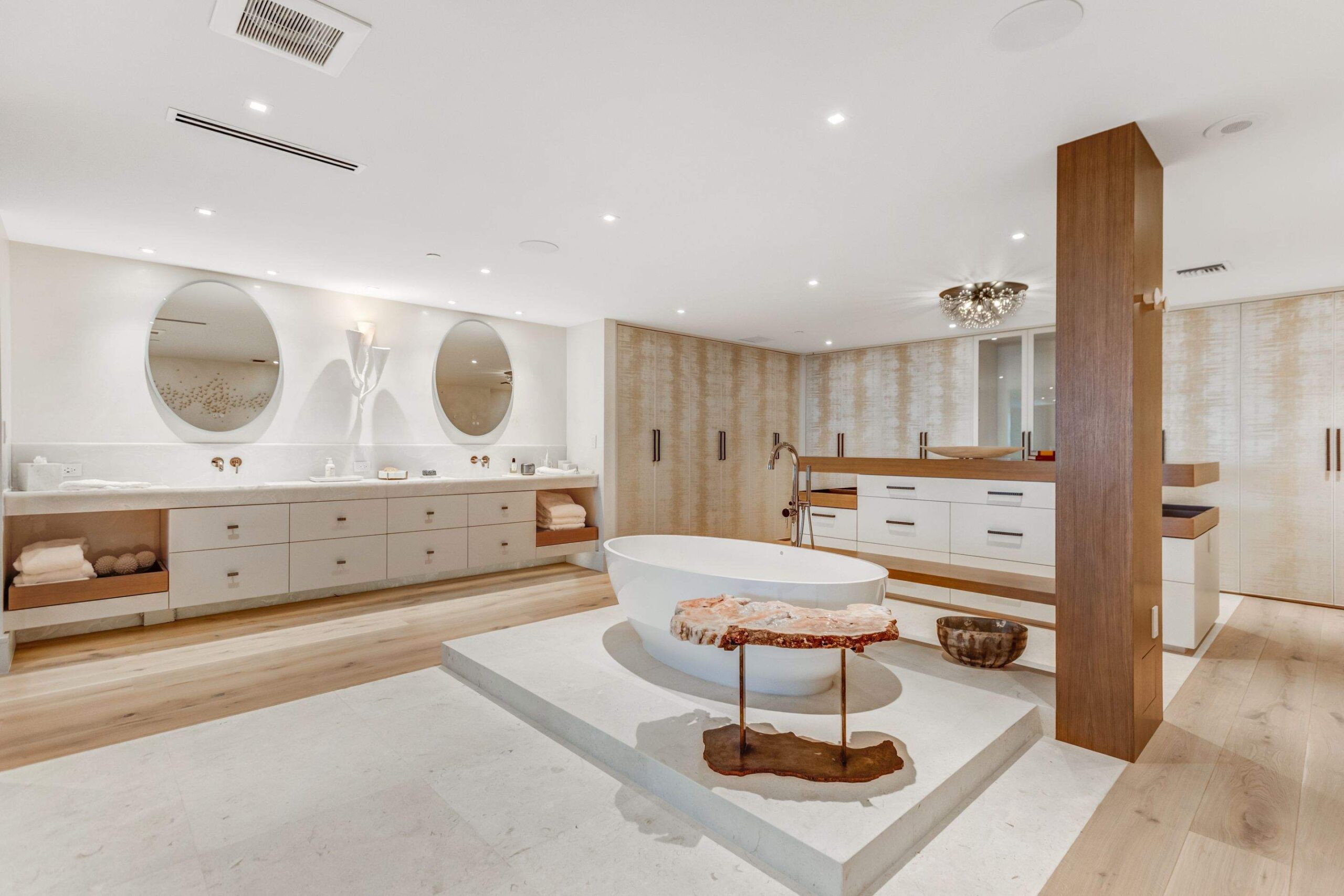
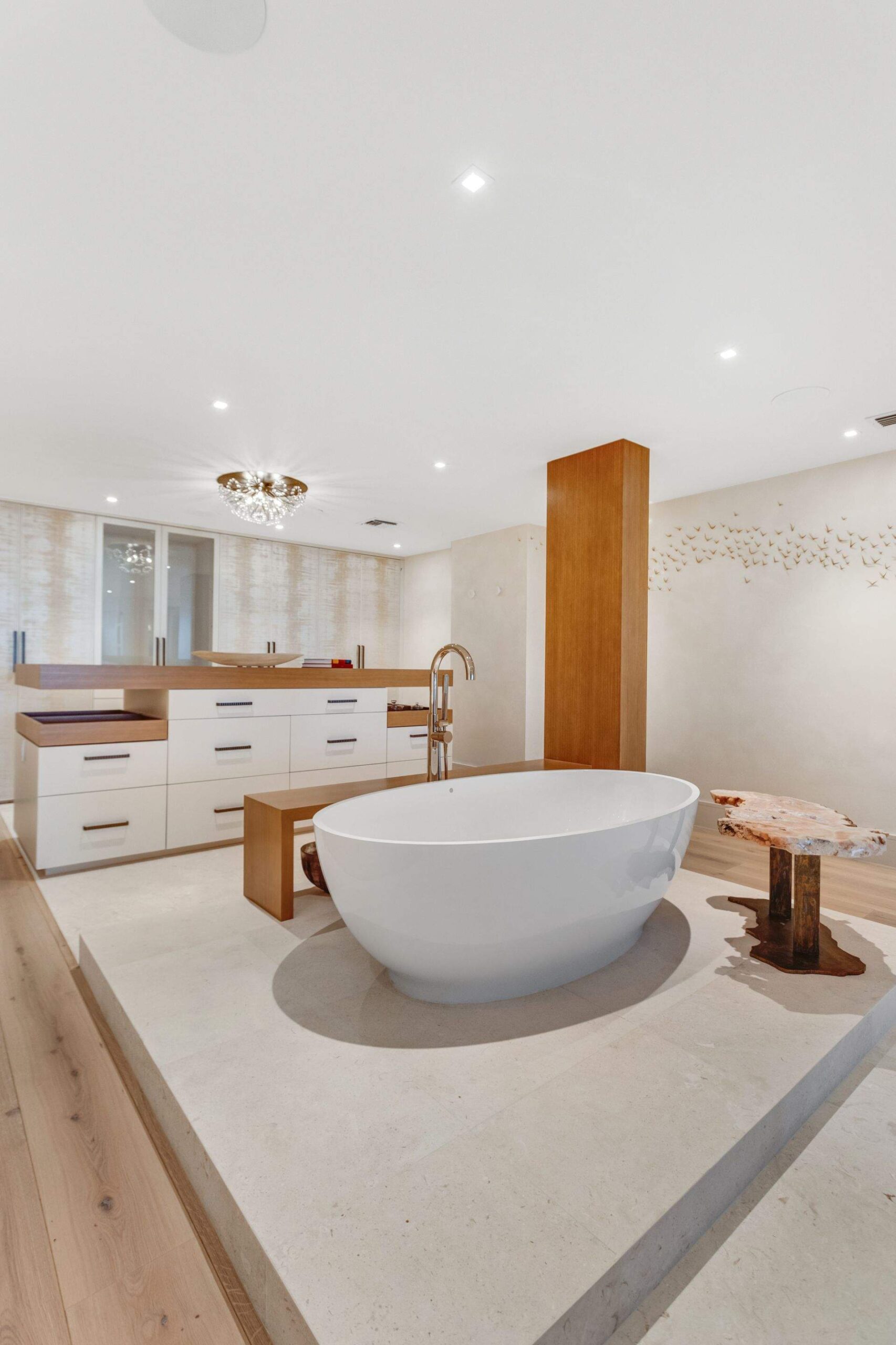
  • Bathrooms with spa fixtures and seamless finishes
  • Lighting that adjusts throughout the day with minimal wall clutter
  • Acoustics that support both privacy and openness
  • High-efficiency materials and systems that lower maintenance and energy use

These are the types of features that didn’t exist in most pre-1980 homes. They have to be planned, engineered, and built into the renovation.
Challenges of Renovating Older Luxury Homes

You never know exactly what obstacles you’ll encounter with a custom home renovation. Each one is different. However, these are some of the most common.

Layouts Built for Another Era

Many older homes rely on formal circulation. Enclosed kitchens, dedicated dining rooms, and segmented floor plans reflect a different lifestyle. Changing these layouts often means adjusting load-bearing walls, modifying stairs, or working around chimney placement.

Outdated Home Comfort Infrastructure

Original HVAC, plumbing, and electrical systems rarely support modern demand. Panel capacity may be too low. Ductwork often lacks proper zoning. Older plumbing materials may be brittle or poorly placed for new fixture layouts.

Architectural or Regulatory Constraints

Historic homes in protected districts come with exterior restrictions. Roofing, windows, and siding may require approval before replacement. Interior changes are often unrestricted but still require sensitivity to the original architecture.

These constraints don’t block progress, but they do require precision and experience with luxury renovations.

Design Strategies That Balance Character and Performance

Protect the Elements That Define the Home

Crown molding, hardwood inlays, original windows, and plaster details offer lasting beauty. These features can anchor a renovation and give it depth. Preserving them during construction takes planning, but the result often feels more authentic and less manufactured.

Improve What You Can’t See

Older homes often lack insulation. Wiring may be outdated or pipes may not meet current codes. Replacing these systems improves safety, comfort, and efficiency. These upgrades might be invisible, but they can significantly improve daily life.

Blend Old and New Thoughtfully

Modern materials can work well in a traditional envelope when chosen carefully. We look for opportunities to work with the original design, whether that’s plumbing for a freestanding tub beneath original beams, or new cabinetry that maintains original proportions.

Key Upgrades That Transform Functionality

Zoned HVAC with discreet delivery

Older systems often rely on single-zone air handling. Upgrading to zoned climate control improves comfort across large or multi-story homes. Linear diffusers, hidden returns, and smart home technology maintain performance without compromising aesthetics.

Electrical panel expansion and rewire

Legacy wiring can’t support today’s loads. Whole-home rewiring allows for smart switches, motorized shades, EV chargers, and automated systems. It also ensures clean integration of lighting design, not patchwork upgrades.

Kitchen and bath reconfiguration

Many older layouts wall off the kitchen and isolate baths. Modern renovations open up the kitchen to adjacent living areas and remodel bathrooms for size, flow, and light. That can include repositioning fixtures and structural adjustments, as well as cosmetic updates.

Window replacement with historic profiles

Energy efficiency improves dramatically when single-pane windows are replaced with insulated units. In historic districts, this often involves custom builds that match the original profiles while delivering modern performance.

Sound attenuation between floors and rooms

Privacy in large homes improves with acoustic insulation, especially between bedrooms, offices, and common areas. This is a functional upgrade that changes how a home feels on a daily basis.

Lighting redesign with layered control

Older homes were lit with central fixtures or sconces. New plans use ambient, task, and accent lighting, controlled with pre-set scenes. When done early in the design phase, this system disappears into the architecture while expanding its impact.

Before-and-After: How Modernization Changes the Living Experience

The most meaningful difference in a whole home luxury remodel might be visible, or it might be more functional. But it should always be felt in how the home works for its owner.

Before renovation, older homes can have significant comfort downfalls such as narrow corridors, fluctuating room temperature, or mismatched outlets and switches. Without altering what you already love about your home, you can make improvements to the way your home feels and functions for you. A successful remodel should always make the home more livable.

What to Expect From the Renovation Process

Older homes often reveal surprises during renovation. That’s why the process starts with discovery. Before finalizing drawings, your team should explore framing, systems, and structure. This step protects your schedule and your budget.

A typical process follows four stages:

  1. Structural modifications
  2. Mechanical and systems upgrades
  3. Architectural finishes
  4. Final detailing and integration

Design-build teams often move through this process more smoothly. With design, engineering, and construction working together, fewer decisions are made in isolation. That alignment helps avoid delays and protects the overall vision.

Old Homes, New Standards

Older homes deserve thoughtful renovation. They hold history, detail, and proportion that can’t be easily recreated. But to remain livable, they need to evolve.

If you’re planning to renovate a high-end property, Select Development Group can help. Give us a call at 239-238-3628 or contact us online today to discuss your luxury home renovation and explore ways to blend the best of both worlds for optimal livability and character.

Faq's


Do I need to bring the entire home up to current code during a renovation?

Not always. Code upgrades are typically required in areas where work is being performed, especially if structural or mechanical systems are altered. However, full compliance across untouched parts of the home is not always enforced unless triggered by the extent of the remodel. Your contractor can help guide you through code compliance and inspections.

Can I preserve historic details while still upgrading infrastructure?

Yes, but it requires coordination early in design. Plaster moldings, original flooring, or stone facades can be protected while new HVAC, wiring, or plumbing is installed. This often means routing systems in soffits, closets, or chases to avoid visible impact. Builders with experience in legacy homes know how to prioritize preservation without sacrificing performance.

How much of the original structure is usually replaced?

That depends on the condition and the renovation goals. In many older homes, original framing is reinforced rather than replaced unless compromised by moisture, pests, or prior remodels. Roofs, subfloors, and foundational elements are often retained but corrected for level, load, or insulation. The more you modernize the layout, the more structure tends to be affected.

How do older homes limit layout changes?

Walls may be load-bearing, and floor or ceiling systems may not support new spans without engineering intervention. Stair placement, chimney masses, or split-levels can also constrain design flexibility. A skilled team maps these obstacles before committing to spatial changes.

What’s the biggest risk in renovating older luxury homes?

Hidden conditions. Mold, outdated wiring, foundation settlement, and prior unpermitted work can surface during demo. The best way to manage this risk is through controlled discovery — opening key areas early and aligning the budget with a realistic contingency. Rushing into construction without that step often leads to stalled schedules and cost escalation.